

Composite Bonding
What is Composite Bonding?
A tooth coloured resin can be bonded or “glued” to your natural tooth in order to improve it’s appearance.
It is not suitable in all situations but can be considered where there are gaps in between the teeth, to change the shape of a tooth, to increase the length of a tooth, to repair chipped teeth or to improve the appearance of disocloured teeth.
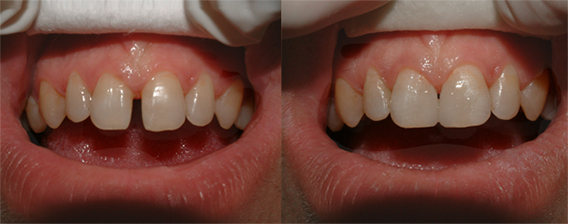
Composite Bonding at South Dublin Dental
Local anethetic is not always required as only a very very small amount of the surface of the tooth is removed. The tooth surface is then treated with a conditioner and bonding gel to allow of the bonding to take place. The resin is then put into position and is set into position by a dental light. Once the resin is set polishing can take place. Polishing ensures the resin has a high shine very similar to the tooth. The end result will be a highly aesthetic appearance and it will be very difficult to tell where the tooth stops and the resin starts.
Bonding is the least expensive of the cosmetic procedures, however the resins used are not stain resistant. As well as this they do not last as long and they are not as strong as other restorative options such as crown and veneers.
At South Dublin Dental we will take the time to discuss which option is best for you.
Call Us Today!
Book Appointment!
Location/Address
- 3 Seafield ParkBooterstown, Dublin, A94 W0C1
Frequently Asked Questions
Does composite bonding hurt?
Local anaesthetic isn’t always needed, since only a very small amount of the tooth surface is removed, so the procedure is generally comfortable.
What’s the difference between bonding and veneers?
Bonding is the least expensive cosmetic option, but the resin used isn’t as strong or long-lasting as porcelain veneers or crowns, so it may need repairing or replacing sooner.
Can composite bonding stain?
Yes, the resin isn’t stain resistant, so avoiding staining foods and drinks and maintaining good oral hygiene helps keep it looking its best.
What can composite bonding be used for?
It’s often used to close small gaps, reshape or lengthen a tooth, repair a chip, or improve the appearance of a discoloured tooth.